In this article
How Are GCC Startups Moving From Seed to Series A Funding Without Losing Investor Momentum?
GCC startups are successfully moving from seed to Series A funding by focusing on consistent growth, clear communication with investors, and structured access to capital instead of relying on fragmented fundraising efforts. The transition is no longer just about raising the next round, but about maintaining trust, demonstrating progress, and ensuring that investor confidence continues to grow at every stage. Founders who understand how to align traction, capital strategy, and investor expectations are able to move from early-stage funding to growth-stage investment without losing momentum.
The Real Challenge Behind Seed to Series A Transition
For many founders, the journey from seed to Series A looks straightforward on paper. Raise seed funding, build the product, gain traction, and then raise a larger round. In reality, this transition is one of the most complex phases in the startup journey.
In the GCC, seed to series A funding GCC has become more structured, but it still requires founders to navigate multiple layers of expectations. At the seed stage, investors are willing to take risks based on potential. They believe in the founder, the idea, and the market opportunity. However, once the startup begins moving toward Series A, expectations shift significantly.
Investors now expect proof. They want to see consistent growth, revenue signals, and a clear path to scalability. This is where many startups struggle. They may have secured seed funding GCC successfully, but without a strong strategy for startup funding progression GCC, they lose momentum before reaching the next stage.
Why Investor Momentum Matters More Than Funding Itself
Funding alone does not determine success. Momentum does. Maintaining investor momentum is what keeps the funding journey alive and moving forward.
Investor momentum is built through consistent updates, measurable progress, and strong communication. When founders keep investors informed about milestones, growth metrics, and future plans, they create confidence. This confidence translates into continued support, introductions, and follow-on funding startups.
On the other hand, when communication drops or growth becomes unclear, investors begin to lose interest. This breaks the flow of startup funding continuity and creates gaps that are difficult to recover from.
Maintaining investor momentum is not just about numbers. It is about perception. Investors need to feel that the startup is moving forward, even during challenging phases.
Understanding the Shift From Early Stage to Growth Stage Funding
The transition from early stage to growth stage funding is not just a financial shift. It is a strategic transformation.
At the seed stage, startups are focused on validation. They are testing their product, understanding their market, and building their initial user base. Investors at this stage are primarily interested in potential.
However, as startups move toward Series A funding GCC startups, the focus shifts to performance. Investors want to see traction, revenue, and scalability. This requires founders to adapt their approach and align their business with growth-stage expectations.
Early stage to growth stage funding requires a clear roadmap. Founders need to demonstrate how they will scale their operations, expand their market, and increase revenue. Without this clarity, it becomes difficult to attract Series A investment GCC.
How GCC Startups Are Structuring Their Growth Journey
Startups in the GCC are becoming more strategic in how they approach growth. Instead of focusing only on raising funds, they are building systems that support long-term scalability.
Startup scaling GCC involves aligning every aspect of the business with growth objectives. This includes product development, marketing strategy, customer acquisition, and operational efficiency.
Founders are also focusing on startup milestone funding, where each stage of growth is tied to specific achievements. This creates a clear progression that investors can follow.
By structuring their growth in this way, startups are able to maintain investor confidence and ensure a smooth transition between funding stages.
The Role of Investor Networks in Sustaining Momentum
A strong investor network GCC plays a critical role in maintaining funding momentum. These networks provide access to a wide range of investors, including private investors GCC, family offices GCC, and global investors GCC.
Being part of such a network allows startups to connect with the right investors at the right time. It also increases visibility and creates more opportunities for funding.
Investor networks also help in bridging the gap between funding rounds. They enable founders to access follow-on funding startups without relying on a single source of capital.
This creates a more stable and sustainable funding environment.
How Fundraising Platforms Are Redefining Capital Access
Modern fundraising platforms are changing how startups access capital. These platforms act as centralized ecosystems where founders and investors can connect in a structured way.
A fundraising platform startups allows founders to showcase their business, track investor interest, and manage the entire funding process more efficiently.
With the integration of AI investor matching platform systems, startups can connect with investors who are specifically aligned with their business. This improves the quality of interactions and increases the chances of securing funding.
These platforms also provide structured capital access GCC, ensuring that founders can navigate the funding journey without unnecessary friction.
The Importance of Traction and Revenue Scaling
One of the most important factors in securing Series A funding is traction. Investors want to see evidence that the business is growing and has the potential to scale.
Startup traction growth includes metrics such as user acquisition, engagement, and retention. These metrics demonstrate that the product is gaining acceptance in the market.
At the same time, revenue scaling startups show that the business can generate consistent income. This is a key indicator of long-term sustainability.
Together, these factors determine series A readiness startups and play a crucial role in attracting investment.
How GCC Startups Are Attracting Series A Investment
To attract Series A investment GCC, startups need to present a strong case for growth. This includes a clear business model, strong financial projections, and a well-defined market strategy.
Investors are looking for startups that can scale quickly and efficiently. This requires a combination of strong execution and strategic planning.
Startups also need to align with growth stage investors GCC, who specialize in scaling businesses. These investors bring not only capital but also expertise and networks that support growth.
The Role of Global Investors in GCC Startup Growth
The GCC region is attracting increasing attention from global investors. These investors are looking for startups that can scale beyond regional markets.
Global investors GCC bring new opportunities for startups to expand their reach and access larger pools of capital. This is particularly important for startups aiming to scale quickly.
The presence of global investors also strengthens the overall startup ecosystem GCC, making it more competitive and dynamic.
Common Mistakes That Break Investor Momentum
Many startups lose momentum due to avoidable mistakes. One of the most common mistakes is lack of communication. When founders fail to update investors regularly, it creates uncertainty.
Another mistake is poor planning. Without a clear funding strategy, startups may run out of capital before securing the next round.
Overpromising and underdelivering is another issue. Investors expect realistic projections and consistent execution.
Avoiding these mistakes is essential for maintaining investor momentum and ensuring a smooth funding journey.
How to Build a No-Gap Funding Strategy
A no gap funding strategy is essential for maintaining continuity. This involves planning for the next funding round well in advance.
Founders should start preparing for Series A while still in the seed stage. This includes building relationships with investors, demonstrating traction, and refining their business model.
By taking a proactive approach, startups can avoid funding gaps and maintain momentum.
Transitioning From Angel Investors to Venture Capital
The transition from angel investors to venture capital is a critical step in the funding journey. This shift requires startups to move from idea validation to growth execution.
Angel investors to VC transition involves aligning the business with the expectations of venture capital firms. This includes demonstrating scalability, profitability, and market potential.
This transition is often supported by investor networks and platforms that provide access to both early-stage and growth-stage investors.
FAQs
What is startup series funding in UAE?
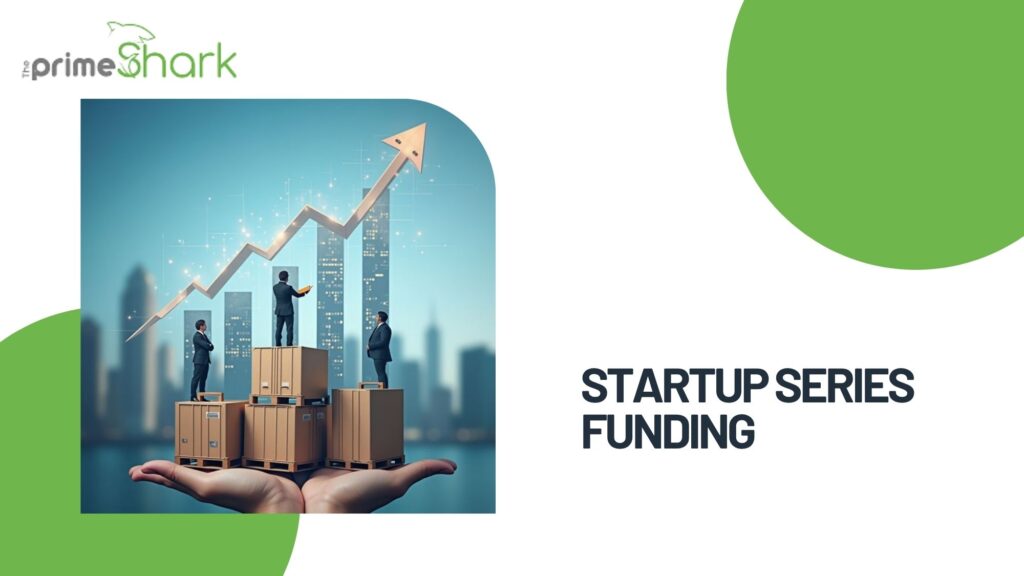
Startup series funding refers to different stages of investment, including seed and Series A rounds.
Each stage focuses on different aspects of growth and scalability.
What are the best startup funding options in UAE?
Startups can access funding through investor networks, platforms, and venture capital firms.
The right option depends on the stage and growth potential of the business.
Are there government funds available for startups in UAE?
Yes, initiatives like innovation funds and startup programs support early-stage businesses.
These programs provide both financial support and growth opportunities.
Conclusion: Momentum Is the Real Currency of Growth
The journey from seed to Series A funding is not just about raising capital. It is about maintaining momentum, building trust, and demonstrating consistent progress.
GCC startups that focus on structured growth, strong investor relationships, and continuous execution are able to navigate this transition successfully. By leveraging modern platforms and investor networks, founders can access capital more efficiently and sustain their growth.
Prime Shark Ventures is built to support this journey. It connects founders with verified investors through intelligent matching, helping startups maintain momentum and access the right capital at every stage.
If you are serious about scaling your startup and securing the right investors, this is the direction to take.